A Grand Himalayan New Year of the Sherpa Community
Gyalpo Losar Festival of Nepal
A Grand Himalayan New Year of the Sherpa Community
Introduction
Nepal is a country where time itself feels sacred. Alongside the familiar Bikram Sambat New Year and widely celebrated festivals like Dashain and Tihar, many ethnic communities maintain their own calendars, rituals, and seasonal celebrations rooted deeply in Himalayan civilization. Among these, Gyalpo Losar stands as one of the most vibrant and spiritually meaningful festivals, especially for the Sherpa community of Nepal.
“Losar” literally means New Year in the Tibetan language (Lo = Year, Sar = New). There are three major Losar celebrations observed in Nepal:
- Tamu Losar – celebrated by the Gurung community
- Sonam Losar – celebrated by Tamang and Hyolmo communities
- Gyalpo Losar – celebrated mainly by Sherpa, Tibetan, and Himalayan Buddhist communities
Among these, Gyalpo Losar is the most ancient and ceremonially elaborate, marking not only the beginning of a new year but also a spiritual rebirth — a purification of past karma and an invitation for prosperity, compassion, and wisdom.
Celebrated generally in February or March, according to the Tibetan lunar calendar, Gyalpo Losar transforms monasteries, villages, and cities like Kathmandu’s Boudha and Solukhumbu into a colorful tapestry of prayer flags, incense smoke, dances, music, and communal feasts.
Historical Origin of Gyalpo Losar
Pre-Buddhist Roots
Long before Buddhism arrived in Tibet and the Himalayan regions, ancient people followed the Bon religion, a shamanistic belief system focused on nature worship — mountains, rivers, sky spirits, and protective deities.
During winter’s end, villagers performed rituals to:
- Drive away evil spirits
- Appease nature gods
- Pray for a good harvest
- Protect livestock
This winter-ending purification ceremony gradually evolved into a formal New Year celebration.
Influence of Tibetan Kings
The name “Gyalpo” means King — hence Gyalpo Losar translates roughly as “Royal New Year.”
During the reign of the Tibetan kings (especially around the 7th century during King Songtsen Gampo), the festival was systematized and merged with Buddhist practices. Instead of only worshipping nature spirits, monks introduced:
- Buddhist prayers
- Compassion teachings
- Ritual dances (Cham)
- Monastery ceremonies
Thus, Gyalpo Losar became a harmonious fusion of Bon traditions + Mahayana & Vajrayana Buddhism.
When Tibetan Buddhism spread into Nepal’s Himalayan regions (Solukhumbu, Mustang, Dolpo, Manang, Helambu), Sherpa and Tibetan communities preserved the celebration with great devotion.
Religious Significance
Gyalpo Losar is not simply a calendar change — it represents spiritual renewal.
Key Beliefs
- The past year’s negative karma must be cleansed
- Protective deities must be honored
- New year begins with positive intention
- Compassion and generosity invite good fortune
The festival is therefore a combination of:
- Purification
- Prayer
- Gratitude
- Community bonding
Preparations Before Losar
Preparations begin almost two weeks before the festival.
House Cleaning – Spiritual Purification
Homes are thoroughly cleaned to remove bad luck and lingering negative energy.
People believe:
If the house is dirty, the new year’s blessings cannot enter.
Old items, broken tools, and unused objects are discarded — symbolizing leaving past troubles behind.
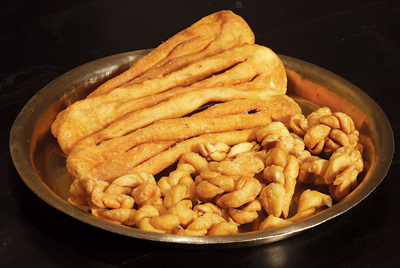
Making Khapse (Traditional Deep-Fried Snacks)


4
Families gather to prepare Khapse, a ceremonial sweet made from flour, butter, sugar, and oil. These are shaped into symbolic knots and patterns representing prosperity and continuity of life.
Khapse is not just food — it is an offering first to deities, then to guests.
Brewing Chang and Preparing Feast
Traditional drinks are prepared:
- Chang – fermented barley drink
- Butter tea (Su Cha) – salty yak butter tea
- Thukpa & Guthuk – special noodles and dumpling soup
Food preparation itself is considered a blessing-invoking act.
The Eve of Losar – “Guthuk Night”
The night before New Year is very special.
Families eat Guthuk, a nine-ingredient noodle soup with symbolic dumplings hidden inside.
Each dumpling contains an object that humorously predicts a person’s character:
| Object | Meaning |
|---|---|
| Chili | Talkative |
| Salt | Lazy |
| Charcoal | Kind hearted |
| Rice | Lucky |
| Wool | Gentle |
| Paper | Intelligent |
This playful ritual encourages self-reflection and laughter — starting the year with joy.
After dinner, people perform a ritual of driving away evil spirits by throwing leftover soup outside and shouting prayers.
First Day of Gyalpo Losar


4
The first day is dedicated to family and household deities.
Activities
- Wake before sunrise
- Offer incense to mountain gods
- Raise new prayer flags (Lungta)
- Visit elders for blessings
- Exchange Khata (ceremonial scarves)
The air fills with juniper smoke — believed to purify the environment and invite divine protection.
Monastery Celebrations


4
Monasteries become the spiritual center of the festival.
Cham Dances
Monks perform masked dances representing:
- Victory of wisdom over ignorance
- Destruction of negative forces
- Protection of living beings
Each mask symbolizes a deity or guardian spirit — not entertainment, but a living spiritual teaching.
People watch silently and pray, believing merely witnessing the dance purifies karma.
Community Celebrations
After religious rituals, the festival turns joyful.
Traditional Dress
Sherpa men and women wear:
- Chuba (long robe)
- Silver ornaments
- Coral and turquoise jewelry
The dress itself represents identity, heritage, and pride.
Singing and Dancing
Villages echo with:
- Folk songs
- Circle dances
- Drums and long horns
Elders bless the youth, and young people visit relatives — strengthening community ties.
Special Foods of Gyalpo Losar


4
Food symbolizes abundance and unity.
Common Dishes
- Guthuk – symbolic soup
- Thukpa – noodle soup
- Khapse – ceremonial sweet
- Butter tea
- Dried meat & cheese
- Tsampa (roasted barley flour)
Sharing food is considered sharing merit.
Gyalpo Losar in Kathmandu
In Kathmandu Valley, especially in Boudhanath and Swayambhu areas, the celebration is grand.
Monasteries host large public prayers. Thousands of devotees walk around the stupa spinning prayer wheels and chanting:
Om Mani Padme Hum
The city becomes a cultural bridge — Sherpas, Tibetans, Tamangs, and foreigners celebrate together.
Cultural Meaning
Gyalpo Losar preserves ancient Himalayan identity in modern Nepal.
It teaches:
- Respect for elders
- Harmony with nature
- Compassion for all beings
- Importance of community
Unlike purely festive holidays, it balances spirituality and joy.
Symbolism of Prayer Flags
Prayer flags raised during Losar carry prayers through the wind.
Colors represent elements:
| Color | Element |
|---|---|
| Blue | Sky |
| White | Air |
| Red | Fire |
| Green | Water |
| Yellow | Earth |
As the wind blows, blessings spread to all living beings — not just humans.
Economic and Tourism Impact
Gyalpo Losar attracts:
- Trekking tourists
- Cultural researchers
- Photographers
- Pilgrims
Hotels and trekking regions like Solukhumbu see a surge of visitors. Cultural tourism strengthens Nepal’s Himalayan heritage economy.
Comparison with Other Nepali New Years
| Festival | Community | Month |
|---|---|---|
| Bikram Sambat | National | April |
| Tamu Losar | Gurung | December |
| Sonam Losar | Tamang | January |
| Gyalpo Losar | Sherpa/Tibetan | Feb–March |
Gyalpo Losar is the most monastery-centered and spiritual among them.
Modern Changes
Urban lifestyles have shortened celebrations, but core rituals remain intact.
Younger generations now celebrate by:
- Sharing greetings online
- Organizing cultural programs
- Wearing traditional dress proudly
Despite modernization, the festival continues to thrive — showing cultural resilience.
Philosophical Message
At its heart, Gyalpo Losar teaches a timeless idea:
Every year is a new life.
Past mistakes are forgiven. New intentions are planted.
The festival encourages people to begin the year with:
- Kind speech
- Generosity
- Mindfulness
- Gratitude
Conclusion
Gyalpo Losar is far more than a New Year festival — it is a living heritage of the Himalayas, blending ancient Bon rituals, Buddhist philosophy, and Sherpa identity into a meaningful celebration of renewal.
Through cleaning homes, raising prayer flags, sharing Khapse, performing Cham dances, and offering butter lamps, people symbolically cleanse their past and step into the future with compassion and hope.
In a rapidly modernizing world, Gyalpo Losar stands as a reminder that time is not merely counted — it is spiritually experienced. Each year is not just another cycle but an opportunity to become wiser, kinder, and more connected to all beings.
Thus, when the juniper smoke rises into the cold Himalayan air and monks chant ancient mantras, Gyalpo Losar whispers a universal message:
Life renews itself — and so can we.